top of page


Frequently Asked Questions
Mobile dent repair at your location
Quality first-class service
Fast response times
Frequently asked questions
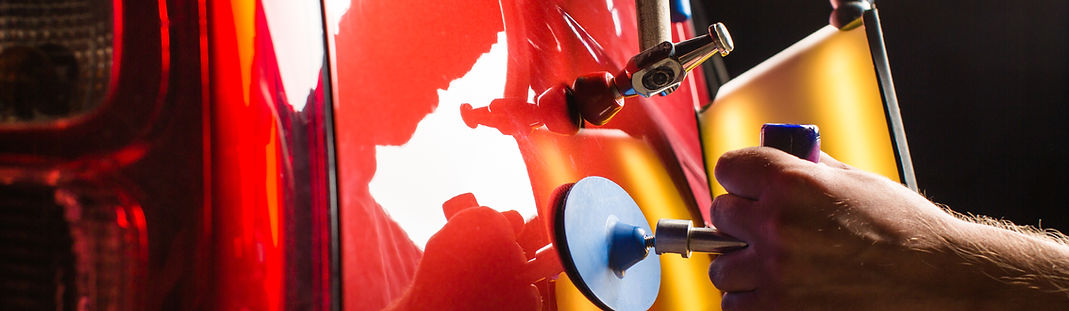
Paintless Dent Repair (PDR) is a technique used to remove minor dents and dings from a vehicle’s body without the need for sanding, body filler, or repainting.
Technicians use specialized tools to:
· Pushing the metal from behind the panel, slowly pushing the dent back to its original shape, or
· Use glue-pull techniques on the exterior surface when no access exists.
PDR works well for:
· Hail damage
· Door Dents
· Small creases
· Minor dents where the paint is not cracked
· Keeps the original paint, preserving resale value
· Faster than traditional bodyshop repairs
· Less costly
· Environmentally friendly (no chemicals or painting)
Paintless dent repair (PDR) can help you in several ways. Here’s how:
1. Saves You Money
PDR is usually much cheaper than traditional bodywork because it requires no paint, fillers.
2. Preserves Your Original Paint
Since the technician reshapes the metal from behind the panel, your factory paint stays intact—which helps maintain your car’s value and avoids mismatched paint.
3. Faster Repairs
Most PDR jobs take minutes to a couple of hours, not days. Ideal if you can’t afford to lose your car to a bodyshop.
4. Ideal for Small to Medium Damage
It works great for:
Door dents
Shopping cart dents
Hail damage
Minor creases
5. Environmentally Friendly
No chemicals, paint, or fillers—just skilled manipulation of the metal.
6. Helps Retain Vehicle Resale Value
Cars with original paint and no body filler generally sell for more.
PDR is one of the least invasive ways to keep your car looking new
Paintless dent repair (PDR) is great, but it’s not always the right fix. Here’s how to tell if your dent is a good candidate:
SIGNS YOU CAN USE PAINTLESS DENT REPAIR:
PDR is likely the right choice if:
1. The paint isn’t cracked, chipped, or scratched
PDR only works when the original paint surface is intact.
Check for:
Cracks or spiderweb patterns
Exposed metal
Deep scratches
If the paint looks untouched, that’s a green light.
2. The dent has smooth, soft edges
Good PDR candidates look like:
Hail dents
Small car parking dents
Smooth “push-in” dents
Sharp creases or dents with stretched metal are harder to repair without paint.
3. The metal isn’t stretched
If the dent looks “oil-canned” (moves in and out when pressed), the metal may be stretched.
PDR can sometimes still help, but the result might not be perfect.
4. The dent isn’t on an edge or very close to one
PDR is most effective on:
Doors
Bonnets
Roofs
Wings
Dents on:
Panel edges
Wheel arches
Body lines
are more difficult, but still fixable by a skilled technician.
5. The panel is aluminium or steel (most are fine)
Both can be repaired, but aluminium dents are harder
Contact us
Business Hours
Monday : 07:00 - 18:00
Tuesday : 07:00 - 18:00
Wednesday : 07:00 - 18:00
Thursday : 07:00 - 18:00
Friday : 07:00 - 18:00
Saturday : Closed
Sunday : Closed
Connect with us


0113 868 2611
bottom of page